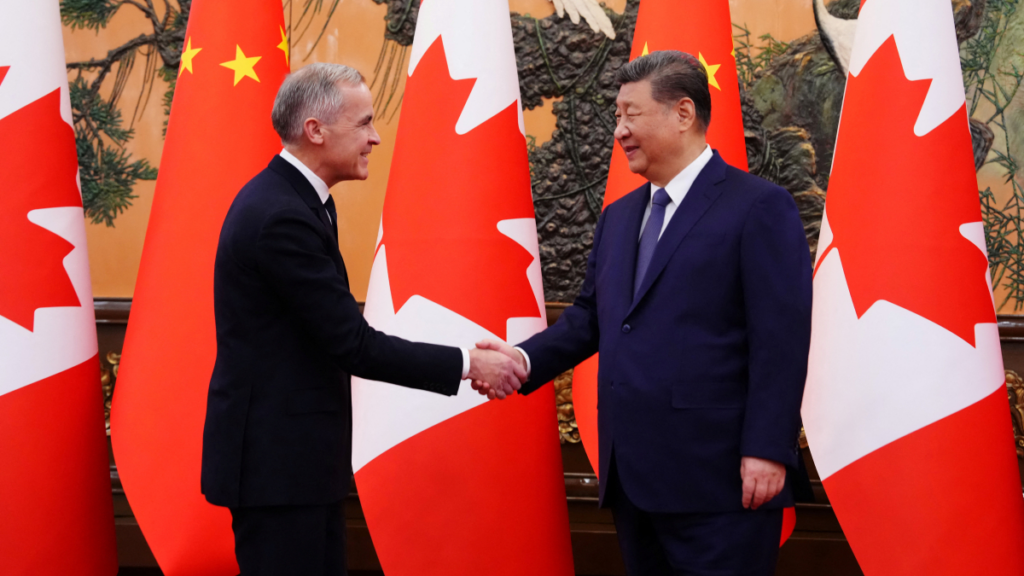
We do need to reimagine education constantly as the world changes politically, technologically and environmentally. Prime Minister Carney’s comment about the new world order at his meeting in Beijing highlights the new era that has many repercussions on how and what we teach in schools, how we interact with international students and think about our positionality in the world. This move toward China and away from the United States also highlights the changing landscape of security that ties into what does and doesn’t get included in curriculum. Global context also ties into the corporations that develop and supply technology to schools. When we think about FIPPA in the context of the current US government, issues of privacy around young people becomes highly relevant. As educators it is easy to ignore the vast stores of data that house our photographs, assignments and emails. Due to teacher workload, these concerns often slide to the bottom of teachers high priorities. However, considering how simple approaches like using an ipad for class photos instead of a personal cell phone linked to a cloud, can avoid this problematic area.
The Most Likely to Succeed film showed what challenges educators can face when attempting to revitalize education. As technology zooms forward and young people have increasingly short attention spans, educators are struggling to bridge the gap between the old curriculum and new ways of interacting with it. At High Tech High, by avoiding simply regurgitating knowledge, teachers were prompting students to engage with one another, become leaders and group members designing and creating independently of the traditional textbook guide. Although both students and parents were concerned about post secondary prospects, the test scores at this school outshone those practicing the traditional teacher-led model. While the film didn’t bring up mental health outright, it was an obvious side effect of this new method that seemed to prioritize student learning, engagement and real-life relevance. The community night was such a cool example of how schools can be at the center of creating community and a vibrant lived experience for young people.
Seeing students moving around at school is, to me, a healthy change from desk warming. I still want books and reading to be included and worry sometimes that an obsession with technology forgets the deep learning that comes from engaging with a chapter book. I observed an English 12 class where a student was responding to Hamlet with Minecraft. Is it crazy to expect there to be any books in schools anymore? I hope students at High Tech High are still learning how to read and write at a level that will make them successful if they proceed to post secondary. I think plays are an excellent way to explore literature and would like to see more interplay between theatre and English 12 for example.
Are books on track to becoming obsolete?

Leave a Reply
You must be logged in to post a comment.